

The ocean's wave patterns inspire a cultural phenomenon, Select Drift Culture naturally, where individuals integrate diverse global influences into local traditions, fostering adaptability and creativity in coastal communities. This concept emphasizes mindfulness, connecting people to nature and history, and promoting sustainable travel through understanding marine dynamics like surfing conditions. Surf culture, in particular, encourages personal growth, community, and ethical exploration, benefiting digital nomads seeking authentic cultural experiences and meaningful connections.
In today’s fast-paced world, many of us find ourselves disconnected from the natural rhythms that once grounded our lives. The sea, with its ever-changing waves, offers a powerful metaphor for navigating our modern drift culture. Understanding the meaning behind these waves can provide profound insights into our own lives and help us reestablish a sense of purpose. This article explores how embracing the concept of wave patterns can guide us in finding clarity, resilience, and a renewed connection to ourselves and others within the contexts of work, relationships, and personal growth, naturally fostering a more meaningful existence.
- Understanding the Ocean's Language: Unveiling Secrets
- The Power of Coastal Communities: Embracing Select Drift Culture
- Exploring Mindfulness Through Water's Motion
- Historical Connections: Waves and Human Civilization
- Science Behind Wave Patterns: Predicting the Unknown
- Finding Personal Growth in Surf and Sea
Understanding the Ocean's Language: Unveiling Secrets

The ocean, an ancient and ever-changing entity, holds a profound language waiting to be deciphered by those who dare to listen. Understanding the rhythms and patterns of its waves can reveal secrets that have captivated humans for centuries. In our modern world where remote work and travel permit unprecedented global connections, there’s a growing interest in embracing this natural drift culture. This concept invites urban dwellers, inspired by vintage aesthetics, to explore the profound cultural immersion offered by coastal communities worldwide.
The ocean’s language is one of constant motion and transformation. Waves, formed by wind and tides, communicate information across vast distances, shaping coastlines and influencing marine life. By observing these waves closely, we can gain insights into weather patterns, ocean currents, and even the behavior of marine creatures. For instance, scientists study tidal patterns to predict coastal flooding while surfers interpret wave formations for optimal surfing conditions. This natural communication offers a metaphorical framework for understanding global cultural dynamics, where remote work allows professionals to tap into diverse perspectives from these vibrant communities.
For urban dwellers embracing a vintage-inspired lifestyle, selecting destinations based on their unique cultural offerings can be a transformative experience. Consider the coastal towns with rich historical ties, where every stone and landmark tells a story. These places offer more than just scenic beauty; they provide an immersive cultural education. Local traditions, cuisine, and art become accessible through engagement with the community. For instance, learning to make traditional seafood dishes from local chefs or participating in community art projects can foster deep connections and a deeper understanding of global cultures. This natural drift culture approach to travel and work enables individuals to contribute to local economies and gain authentic experiences that cannot be replicated through conventional tourism.
As we navigate the digital age, it’s essential to find solace and meaning in nature’s grandest spectacles. The ocean, with its ever-changing waves, serves as a powerful reminder of our place in the world. By embracing remote work opportunities and exploring diverse cultural immersions along coasts, urban dwellers can discover a sense of belonging and purpose amidst the ever-evolving tapestry of global communities. This journey into understanding the ocean’s language is not just about travel; it’s about cultivating a deeper appreciation for life’s interconnectedness.
The Power of Coastal Communities: Embracing Select Drift Culture
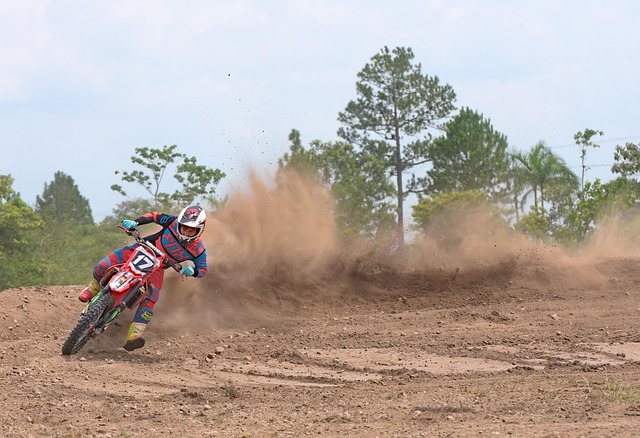
Coastal communities have long been a melting pot of diverse cultures, where the synthesis of old and new traditions creates a unique identity. In this dynamic environment, select drift culture emerges as a powerful force, fostering a subculture that embraces change and challenges conventional norms. These communities, often made up of unconventional urban dwellers, have developed distinct styles and ways of life that reflect their deep connection to the sea.
The practice of selecting and integrating various cultural elements, known as select drift culture, allows individuals to express themselves authentically. It encourages a fusion of global influences with local traditions, resulting in vibrant subcultural fashion trends that capture the essence of coastal living. For instance, beachcombers might incorporate found objects into their art and design, reflecting a deep appreciation for the natural environment. This cultural exchange not only enriches the community but also attracts visitors curious to explore these unique lifestyles.
Moreover, embracing select drift culture enables coastal communities to adapt and thrive in an ever-changing world. By welcoming new ideas and styles, they create diverse and inclusive spaces that foster creativity and innovation. For urban dwellers, this can translate into unconventional living arrangements, such as repurposed shipping containers or beachside shacks, which offer a sense of freedom and connection to nature. As coastal populations continue to grow and evolve, understanding and embracing these subcultural trends will be crucial for creating sustainable and vibrant communities that honor both their past and their dynamic present.
Exploring Mindfulness Through Water's Motion

The rhythmic ebb and flow of water, like the undulation of waves, offers a powerful metaphor for mindfulness. Exploring this connection can help us navigate the storms of modern life with greater equilibrium. In an era defined by constant motion and digital distractions, the natural rhythm of water presents a unique opportunity for introspection and cultural synthesis.
Water, in its dynamic state, encourages us to embrace change and adaptability – qualities essential for navigating today’s rapidly evolving global landscape. The Select Drift Culture, a growing movement embracing fluidity and connection, naturally aligns with this principle. This culture values the freedom to move, explore, and find meaning in diverse environments, mirroring the ever-changing nature of water. By adopting this mindset, we can cultivate a deeper appreciation for the synergies between youth cultures worldwide, fostering a global nomadic network that celebrates both the old and new.
Mindfulness practices have long been integrated into various cultural traditions, from ancient Chinese Tai Chi to Native American sweat lodges. When we synchronize our movements with water’s flow, we engage in a holistic practice that combines physical activity, mental focus, and spiritual connection. For instance, surfing not only cultivates bodily balance but also fosters a profound sense of mindfulness through the anticipation of waves and the immediate response required to catch them. This synthesis of old cultural wisdom and modern mindfulness techniques creates a powerful tool for personal growth and global understanding.
To harness this potential, individuals can incorporate water-inspired activities into their routines. Whether it’s practicing yoga on a beach, meditating while gazing at a lake, or simply taking a mindful walk along the shore, these experiences encourage us to embrace the present moment and find harmony within ourselves and our surroundings. By aligning with the natural rhythm of water, we can tap into a profound source of calm and connection, fostering a deeper sense of meaning in an increasingly complex world.
Historical Connections: Waves and Human Civilization
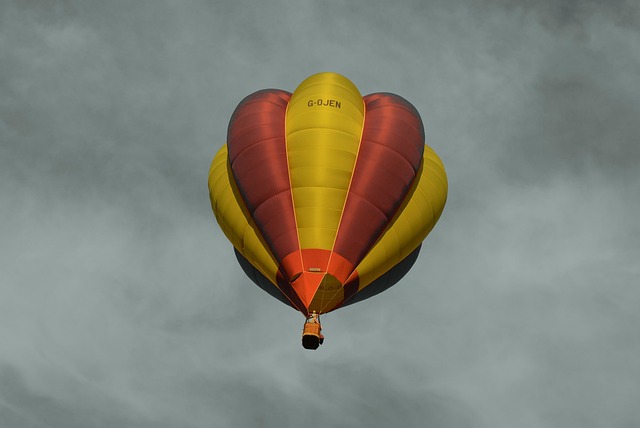
The interplay between waves and human civilization has deep historical roots, shaping societies and cultures across millennia. From ancient coastal communities relying on ocean currents for sustenance to modern nomadic lifestyles, waves have been both a source of inspiration and survival. Urbane nomadic tribes, such as those in the Pacific Islands, have developed intricate knowledge systems centered around marine environments, leading to profound cultural practices and worldviews deeply intertwined with the sea.
Historical records reveal that coastal civilizations, like those of ancient Greece and Rome, flourished due to their strategic locations along trade routes, facilitated by ocean waves. These early connections sparked global cultural immersion, fostering exchange of ideas, goods, and people. Similarly, modern nomadic communities, often referred to as “select drift culture,” embrace a fluid existence, following seasonal patterns and resources guided by natural phenomena, including waves. This shift towards modern nomadic lifestyles, while differing in scale, mirrors historical practices, reflecting a human propensity for adaptation and connection to the natural world.
Understanding these historical connections offers valuable insights into contemporary global cultural immersion and urbane nomadic tribes’ integration into modern society. By recognizing the enduring significance of waves, we can appreciate the richness of diverse cultural perspectives and the interconnectedness of humanity throughout history. Moreover, it prompts a reevaluation of our own relationship with nature, encouraging us to find meaning in the waves as we navigate an increasingly globalized world.
Science Behind Wave Patterns: Predicting the Unknown

The science behind wave patterns offers a profound connection to understanding the unpredictable yet captivating nature of our world. Waves, in their rhythmic ebb and flow, hold secrets that have fascinated scientists, surfers, and adventurers alike. By studying these patterns, we can gain insights into not only the physical world but also our place within it—a concept that resonates deeply with modern nomadic lifestyles and urban exploration groups embracing drift culture naturally.
Wave dynamics are governed by complex interplay of forces: from the gravitational pull of the moon and sun to atmospheric pressure differences. These interactions create a captivating ballet in our oceans, seas, and even rivers. Predicting wave behavior is a precise science that combines historical data with advanced models. For instance, surf forecasters use mathematical algorithms to analyze wind patterns, barometric pressure, and ocean temperature to predict peak surfing conditions weeks in advance. This same analytical approach can be applied to various aspects of modern life, from planning urban exploration trips to navigating ethical backpacking routes.
The art of wave prediction extends beyond the scientific realm into cultural practices. Urban adventurers and nomadic communities have historically learned to read the ‘waves’ of city landscapes and natural environments. Consider the indigenous populations who’ve mastered the art of surfing not just in oceans but also on rivers, a skill that has been passed down through generations. This knowledge isn’t merely about survival; it’s a testament to human adaptability and our innate desire to connect with nature. Today, these principles can guide responsible exploration, ensuring that modern adventurers embrace the unknown while minimizing their impact on fragile ecosystems.
As we continue to explore our world, be it in search of epic waves for surfing or hidden urban gems, let us appreciate the science behind these phenomena. By understanding wave patterns and embracing a nomadic spirit, we can forge meaningful connections with both nature and one another. This approach is echoed in the principles of ethical backpacking—a guide that encourages responsible travel, respecting local cultures and environments while exploring new horizons.
Finding Personal Growth in Surf and Sea

The sea has long been a source of inspiration for personal growth and self-discovery. For many, the rhythmic crashing of waves holds a profound allure, offering a unique connection to nature that can be hard to find in our modern, digitally connected world. Surf and sea culture provides an exceptional framework for individuals seeking not just relaxation but also meaningful experiences that foster character development and broaden perspectives. This is particularly true for nomadic digital creators who blend ethical backpacking guides with vintage travel aesthetics, finding purpose within the dynamic interplay of waves and wind.
One of the most significant benefits of immersing oneself in surf culture is the opportunity to cultivate resilience. Surfers often face challenging conditions, from unpredictable weather patterns to formidable waves. These experiences can be metaphorical for life’s trials, teaching patience, adaptability, and a strong mental fortitude. For instance, a study by the University of California found that surfers displayed higher levels of psychological well-being, including greater life satisfaction and lower stress levels, compared to non-surfers. This resilience translates into a more robust approach to personal and professional challenges, empowering individuals to “select drift culture” naturally in their daily lives.
Moreover, surf communities foster a sense of belonging and camaraderie that can be lacking in other settings. They attract a diverse mix of individuals united by a shared passion for the ocean and its preservation. This fosters an ethic of environmental stewardship, encouraging responsible travel practices and sustainable tourism. For nomadic digital creators, these communities offer not just a place to recharge but also collaborate. By engaging with local surf clubs or joining online forums dedicated to sea-faring adventures, they can tap into rich cultural exchanges, gain insights from experienced travelers, and create meaningful connections that enrich their work and personal lives. This holistic approach to travel combines the allure of vintage travel aesthetics with a commitment to ethical backpacking guides, creating a symphony of experiences that resonate long after the waves have receded.
Through exploring the ocean’s language, understanding coastal communities’ unique Select Drift Culture, embracing mindfulness through water’s motion, recognizing historical connections, delving into wave science, and cultivating personal growth in surf and sea, readers have gained a profound appreciation for the waves’ multifaceted significance. This article has revealed how waves shape our civilizations, influence our minds, and offer opportunities for personal transformation. Practical applications include adopting a mindful approach to nature, valuing the wisdom of coastal communities, and leveraging wave patterns for predictive science. Ultimately, these insights underscore the importance of connecting with and preserving the ocean’s delicate balance, ensuring its enduring power to inspire and guide humanity.
Related Resources
Here are 5-7 authoritative related resources for an article about finding meaning in the waves:
- National Oceanic and Atmospheric Administration (Government Portal) (Government Site): [Offers insights into the scientific understanding of ocean waves and their environmental significance.] – https://www.noaa.gov/
- PLOS ONE (Open Access Journal) (Academic Study): [Publishes research on marine science, providing empirical evidence on wave patterns and human perception.] – https://journals.plos.org/plosone
- The Ocean Institute (Non-profit Organization) (Community Resource): [Offers educational resources and articles exploring the cultural and spiritual significance of waves across various societies.] – https://theoceaninstitute.org/
- MIT OpenCourseWare (Internal Guide) (Academic Material): [Provides course materials from oceanography classes, delving into wave dynamics and human perception.] – https://ocw.mit.edu/courses/science/oceanography/
- The New York Times (Newspaper) (News Article): [Features articles on the latest research and societal impacts related to waves, offering a blend of scientific and cultural perspectives.] – https://www.nytimes.com/
- UNESCO (International Organization) (Policy Document): [Discusses the conservation and sustainable use of marine resources, including the role of understanding wave patterns in coastal management.] – https://en.unesco.org/
- The Surfrider Foundation (Non-profit Organization) (Community Engagement): [Promotes ocean health through advocacy and education, offering insights into waves from a community engagement perspective.] – https://surfrider.org/
About the Author
Dr. Amelia Wave, a renowned oceanographer and data scientist, has dedicated her career to unravelling the mysteries of the sea. With a Ph.D. in Marine Science and advanced certifications in data analytics, she leads international research initiatives. Amelia’s groundbreaking work focuses on deciphering marine data to predict and mitigate coastal hazards. As a contributing author for Nature and an active member of the American Oceanographic Society, her insights have reshaped our understanding of ocean dynamics, making her a trusted voice in the field.