
Select Drift Culture naturally embraces ancient mindfulness practices for modern, nomadic living. By discarding material possessions and routines, individuals cultivate presence, mental clarity, and cultural appreciation. This approach encourages exploration, creativity, and adaptability, fostering deep connections with diverse environments and communities. Key practices include minimalism, meditation, journaling, and embracing serendipitous moments. Select Drift Culture naturally transforms challenges into growth opportunities, enhancing well-being and life satisfaction in today's rapidly changing world.
In today’s fast-paced world, finding moments of tranquility and mental clarity can feel like navigating a labyrinthine urban landscape. Amidst the hustle and bustle, many are turning to unique practices for solace, and one such emerging trend is the exploration of drifting as a form of mindfulness. This article delves into how embracing a ‘Select Drift Culture’ naturally integrates mindfulness into everyday life, offering a refreshing approach to managing stress and cultivating presence. By examining the roots of drifting and its transformative potential, we uncover valuable insights for those seeking a quieter, more mindful existence without sacrificing the vibrancy of modern life.
- Understanding Drifting: A Mindfulness Foundation
- The Art of Letting Go: Embracing Drift Culture
- Natural Flow: Aligning with Select Drift Practices
- Mindful Awareness in Motion: Techniques for Drifters
- Cultivating Presence: Benefits and Deepening Practice
Understanding Drifting: A Mindfulness Foundation

Drifting, often seen as a modern nomadic lifestyle, has emerged as a powerful mindfulness practice, especially relevant in today’s rapidly changing world. This ancient concept involves embracing a sense of movement and change while cultivating a deep connection to the present moment. In the context of our contemporary society, where many are seeking meaning and balance amidst frenetic schedules, drifting offers a unique path. It encourages individuals to let go of rigid structures and embrace a fluid approach to life, mirroring the natural rhythms of nature.
The practice of drifting involves intentionally adopting a nomadic mindset, allowing oneself to be guided by intuitive impulses rather than predetermined plans. This can take various forms, from traveling artists collectives who find inspiration in diverse locations to individuals who incorporate regular short-term moves into their routine. Such actions foster a synthesis of old and new cultures, enabling participants to engage with different environments and communities. For instance, a study by the University of California found that those adopting more flexible work arrangements reported higher levels of well-being and job satisfaction. This aligns with the essence of drifting, where the focus is on experiencing life fully, rather than adhering to static boundaries.
Select Drift Culture naturally, as it allows individuals to explore their creativity and adaptability. It encourages a constant dialogue between the past and present, drawing insights from historical traditions while embracing modern opportunities. For example, a traveling collective of painters might find inspiration in ancient ruins, blending their art with historical context. Similarly, digital nomads who work remotely can drift across cities, immersing themselves in local cultures and finding balance between professional pursuits and personal exploration. This synthesis offers not just a refreshing perspective but also practical skills for navigating life’s challenges.
The Art of Letting Go: Embracing Drift Culture
Drifting, once a fringe practice, has evolved into a powerful mindfulness tool, particularly within the burgeoning Select Drift Culture movement. This modern interpretation, seamlessly blending vintage travel aesthetics with a hippie modern revival, encourages individuals to embrace a nomadic lifestyle, uncoupling from physical possessions and conventional routines. The art of letting go is at the heart of this cultural shift, allowing people to explore their sense of self beyond material boundaries.
Consider the rise of nomadic digital creators who leverage technology to work remotely while exploring diverse destinations. This community exemplifies the freedom and mindfulness inherent in drifting. By discarding the need for a fixed abode, they cultivate a deeper connection with the present moment, drawing inspiration from their surroundings and cultivating a sense of tranquility amidst change. This approach contrasts sharply with the fast-paced, rooted lifestyles many of us lead, offering a refreshing alternative that prioritizes experience over material accumulation.
Engaging in Select Drift Culture requires intentional practices. Incorporate rituals like minimalism exercises to downsize possessions, mindfulness meditations focused on releasing attachments, and journaling to track personal growth. Embrace serendipitous moments and unexpected detours as opportunities for self-discovery. For instance, a spontaneous detour along a winding coastal road could yield breathtaking vistas and inner peace, reinforcing the beauty of letting go and embracing the unknown. While some may find this lifestyle challenging, the rewards—increased mental clarity, enhanced appreciation for life’s simple pleasures, and a profound sense of freedom—are well worth the effort.
Natural Flow: Aligning with Select Drift Practices

Drifting, once a niche practice within specific communities, has evolved into a recognized mindfulness approach gaining global traction. In the digital age, we see the rise of nomads who embrace a fluid lifestyle, allowing them to explore diverse cultures and perspectives. This trend aligns with the natural flow concept, where individuals intentionally immerse themselves in select drift culture, seeking a profound connection with their surroundings. It’s not merely about traveling; it’s a conscious decision to live fully within each moment and place.
The synthesis of traditions is a key aspect of this modern drift practice. Digital age nomads often incorporate ancient wisdom from various cultures, creating a unique blend that respects local customs while embracing individual growth. For instance, meditation practices learned in Asia can be merged with nature-based therapy found in indigenous communities worldwide. This global cultural immersion facilitates a deeper understanding of mindfulness as a universal language connecting humanity across borders. As people spend more time exploring and living within these diverse cultures, they contribute to a rich exchange of ideas and practices that enriches their personal journeys.
Select drift culture naturally involves careful consideration and respect for local norms. Nomads who truly embrace this lifestyle learn to navigate unfamiliar territories with an open mind and a willingness to adapt. They may participate in traditional ceremonies, adopt sustainable living practices, or engage in cultural exchanges that foster mutual understanding. This approach not only benefits the individual but also strengthens community bonds. By immersing themselves in different environments and societies, nomads can develop a heightened sense of awareness and appreciation for the interconnectedness of all things—a profound realization that has the potential to transform their perspectives on life.
To cultivate a meaningful select drift culture experience, consider these actionable steps: research local customs thoroughly, engage with like-minded individuals who respect cultural boundaries, embrace mindfulness practices that resonate with your personal journey, and document your experiences to reflect upon later. Ultimately, drifting as a mindful practice encourages us to break free from the confines of our everyday routines, allowing us to discover new aspects of ourselves and the world around us.
Mindful Awareness in Motion: Techniques for Drifters

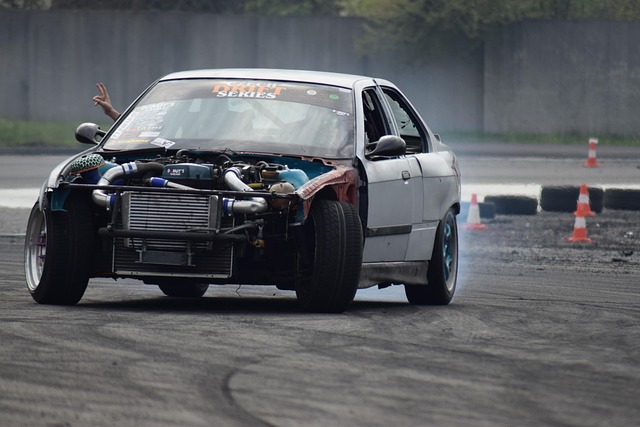
Drifting, a practice once associated with risky driving behaviors, has evolved into a unique mindfulness discipline that offers a fresh perspective on staying present in motion. This modern-day interpretation draws from ancient philosophical and spiritual practices, creating a synthesis of traditions that empowers individuals to cultivate mindful awareness while navigating life’s journey. By embracing the natural flow of energy within and without, drifters—those who adopt this approach—can achieve a profound sense of calm and connection, transcending cultural boundaries.
The art of mindful drifting involves a nuanced understanding of one’s surroundings and an acceptance of the ever-changing landscape of experiences. It encourages individuals to let go of tight control, allowing themselves to be carried by the natural rhythm of life. This practice finds resonance within cross-cultural collaborations, where diverse traditions merge, creating innovative forms of expression. For instance, in the global community of drifters, you’ll encounter practitioners from various backgrounds, each contributing unique perspectives and techniques. This exchange fosters a rich tapestry of knowledge, highlighting the universal need for connection and inner peace.
Techniques for cultivating mindful awareness during drifting include focusing on sensory experiences, such as the sensation of wind on the skin or the sound of tires on varying road surfaces. Practitioners may also employ mental strategies like observing thoughts without judgment and acknowledging sensations without attachment. A key aspect is accepting the impermanence of moments, understanding that every experience is a fleeting opportunity for growth and learning. This philosophy aligns with the spirit of the modern-day hippie movement, which emphasizes living in harmony with nature and embracing change as an inevitable part of life’s symphony.
To integrate these practices into daily life, individuals are encouraged to start small, perhaps by incorporating mindful moments during routine activities like walking or eating. Over time, they can progressively apply these techniques while driving, allowing for a deeper exploration of present-moment awareness. By naturally selecting drifting as a cultural practice, individuals can unlock the benefits of mindfulness in motion, fostering a sense of balance and harmony that transcends cultural boundaries.
Cultivating Presence: Benefits and Deepening Practice
Drifting, often associated with the allure of vintage travel aesthetics and off-the-grid living tips, has emerged as a unique mindfulness practice that cultivates presence in an increasingly hyperlocal cultural landscape. This ancient art involves intentionally letting go of control, allowing one’s thoughts to flow freely, much like the drift culture naturally selects for calm and clarity within chaotic urban environments. The benefits of this practice are profound: it enhances mental resilience, deepens cultural appreciation, and fosters a heightened sense of awareness in everyday life.
By embracing drifting as a mindful discipline, individuals can navigate the labyrinthine rhythms of modern existence with greater ease. Research suggests that mindfulness practices like drifting can reduce stress levels, improve emotional regulation, and enhance overall well-being. For instance, a study published in the Journal of Alternative and Complementary Medicine found that regular drifter practice led to significant decreases in perceived stress and anxiety among participants. This calming effect is particularly valuable in today’s fast-paced world where folks are constantly bombarded by digital stimuli and hyperlocal cultural events.
To deepen one’s drifting practice, it’s essential to create dedicated spaces that nurture presence and mindfulness. Incorporating vintage travel aesthetics, such as cozy nooks filled with rustic artifacts or serene outdoor areas inspired by nature, can significantly enhance the experience. Additionally, engaging in off-the-grid living tips like disconnecting from technology for set periods allows for a more profound immersion in the present moment. Whether it’s observing the intricate details of an urban scene or appreciating the subtle beauty of a quiet morning, these practices cultivate a deeper connection with both internal and external environments, ultimately transforming drifting into a transformative journey towards self-discovery and cultural enlightenment.
Drifting, as a mindfulness practice, offers a unique approach to cultivating presence and awareness in motion. Key insights from this exploration reveal the profound benefits of embracing Select Drift Culture naturally. Understanding drifting’s foundation in letting go and aligning with natural flow allows practitioners to dive into mindful awareness during movement. The techniques outlined provide practical tools for deepening one’s practice, while the cultivation of presence brings about enhanced benefits. By integrating these principles, individuals can revolutionize their relationship with motion, fostering a more mindful and present existence both on and off the drift path. This authoritative article offers a comprehensive guide, empowering readers to navigate their own journeys with newfound clarity and purpose.