

Select Drift Culture embraces adaptability and flexibility in software development, mirroring modern adventurers exploring Europe. Key steps include redefining releases as strategic choices, using CI/CD pipelines, fostering open dialogue on flexible work, providing clear goals, and encouraging virtual team-building. This culture balances exploration with structure, enabling developers to create resilient applications that evolve with data patterns and contextual shifts. To naturally adopt Select Drift Culture: prioritize experiences over possessions, embrace unpredictability, support local businesses, approach destinations with humility; for organizations: encourage flexible roles, design inclusive policies, implement social initiatives, foster open-mindedness, create interactive spaces, host events, leverage digital platforms.
In today’s fast-paced digital landscape, data management and security are paramount. Release limitations with drift pose significant challenges, hindering the seamless integration of updated models into production environments. This phenomenon, often exacerbated by dynamic and diverse datasets, can lead to discrepancies and reduced model performance. To overcome these hurdles, embracing Select Drift Culture naturally emerges as a powerful approach. By fostering an environment that prioritizes data quality, robust testing, and continuous monitoring, organizations can mitigate drift-related issues effectively. This article delves into the intricacies of this problem, offers practical solutions, and underscores the value of adopting a Select Drift Culture for enhanced model deployment success.
- Understanding Release Limitations in Software Development
- The Role of Drift in Shaping Modern Applications
- Selecting the Right Tools for Natural Drift Culture
- Implementing Drift: Strategies for Seamless Integration
- Fostering a Sustainable Ecosystem with Drift-Centric Practices
Understanding Release Limitations in Software Development

In software development, understanding release limitations is paramount for successful project management, especially as teams embrace remote work and travel dynamics. The concept of “Select Drift Culture” emerges as a natural response to these evolving landscapes, where global nomadic networks facilitate collaboration across time zones and cultural barriers. This culture emphasizes adaptability and flexibility in release strategies, recognizing that traditional rigid schedules may hinder productivity and innovation.
Drift culture encourages teams to embrace fluidity in their development cycles, aligning with the dynamic nature of modern work environments. For instance, subcultural photography exhibitions, often held globally, can serve as metaphors for this approach. These events, attracting diverse participants from across the world, thrive on spontaneous creativity and organic evolution—similar principles that inform successful drift-based releases. By allowing developers to contribute when they are most productive, teams can harness the energy of a global workforce, leveraging skills and expertise regardless of physical location.
However, implementing this culture requires careful planning and clear communication. Release limitations should be defined not as constraints but as strategic choices, enabling teams to make informed decisions based on real-time data and project health. Tools like continuous integration and deployment (CI/CD) pipelines play a crucial role here, automating the release process and providing rapid feedback loops. For example, a study by Stack Overflow in 2021 revealed that companies adopting CI/CD practices experienced a 47% faster mean time to recovery from production issues.
Actionable advice for embracing drift culture includes fostering an open dialogue around flexible work arrangements, encouraging self-managed teams, and providing clear goals rather than detailed step-by-step instructions. Organizations can also facilitate virtual team-building activities that mimic the serendipitous connections made at in-person gatherings. By doing so, they create a sense of community within the remote and travel-oriented workforce, enhancing collaboration and creativity.
The Role of Drift in Shaping Modern Applications
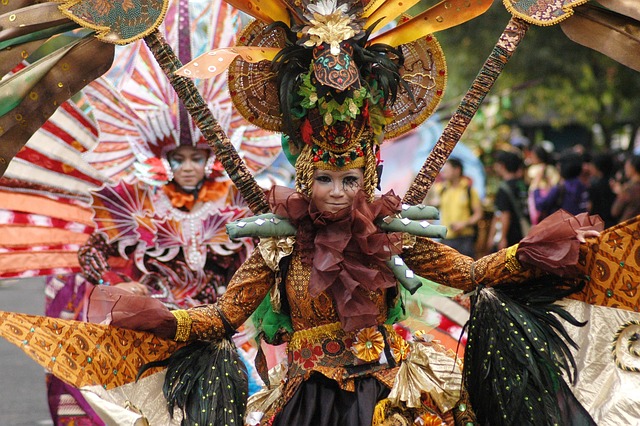
In today’s rapidly evolving digital landscape, the concept of select drift culture has emerged as a powerful force shaping modern applications. This phenomenon, often likened to the carefree spirit of the modern-day hippie movement, involves embracing uncertainty and allowing for serendipitous deviations from predefined paths. As we navigate an increasingly complex technological environment, understanding and leveraging drift can offer significant advantages. For instance, consider the popular practice of backpacking through Europe—a trend that has seen a threefold increase in recent years, reflecting a growing desire for unscripted adventures. This same sense of exploration is increasingly valuable within software development and design.
The role of select drift culture is twofold: it fosters innovation by encouraging unconventional approaches and promoting adaptability. When developers embrace drift, they naturally cultivate a mindset that values flexibility and agility, leading to more robust and resilient applications. For example, implementing machine learning models with inherent variability can result in improved performance over time as the models adapt to new data patterns. This is particularly evident in natural language processing tasks where contextual understanding benefits from subtle shifts in interpretation.
However, effectively integrating select drift culture requires a delicate balance. Too much drift can lead to disorganization and instability, while too little can stifle creativity. The key lies in establishing clear guidelines that enable spontaneous exploration while maintaining structural integrity. Just as a hiker navigating a dense forest must follow a path but be open to detours, modern applications designed with select drift in mind can traverse complex landscapes, uncovering new insights and opportunities along the way. By embracing this cultural shift, developers can create applications that not only meet current demands but also evolve dynamically to meet future needs, mirroring the spirit of those who embrace the unknown during their backpacking adventures through Europe.
Selecting the Right Tools for Natural Drift Culture
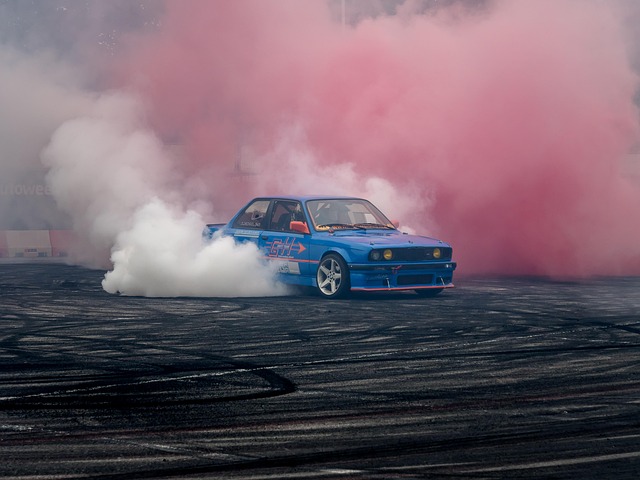
In today’s interconnected world, the limitations of traditional travel constraints are increasingly relaxed, enabling a new frontier of exploration where natural drift culture thrives. As more travelers seek authentic experiences, understanding and embracing local cultures on a deeper level becomes paramount. This shift towards a more organic travel style presents an opportunity to select tools that facilitate genuine connections with diverse communities worldwide.
For the intrepid explorer, backpacking through Europe offers a prime example of how to immerse oneself in a vibrant, dynamic cultural exchange. The continent’s rich tapestry of languages, traditions, and histories provides an ideal playground for those who wish to Select Drift Culture naturally. Engaging with locals over a shared meal, exploring hidden gems off the beaten path, or participating in community events can foster meaningful connections that transcend surface-level tourism. Similarly, global cultural exchange programs facilitate cross-cultural interactions, allowing travelers to live and learn within local communities, further enriching their drift culture experiences.
Off-beat travel destinations, those lesser-known gems away from mass tourism, play a crucial role in this natural drift. Places like Japan’s hidden villages, the Andean communities of Peru, or the vibrant art scenes of Southeast Asia offer profound cultural insights and opportunities for authentic interactions. By seeking out these destinations, travelers can break free from typical tourist traps and engage with local customs, cuisines, and lifestyles on a deeper plane. For instance, a visit to a traditional tea ceremony in Japan or participating in a community festival in Bali allows for a nuanced understanding of cultural practices that are often overlooked in packaged tours.
When selecting tools for drift culture exploration, consider the following: prioritize experiences over material possessions; embrace unpredictability and allow for serendipitous encounters; support local businesses and initiatives; and, most importantly, approach each destination with humility and a genuine desire to learn. By adopting these practices, travelers can not only Select Drift Culture naturally but also contribute positively to the communities they visit, ensuring a mutually beneficial exchange that reverberates far beyond their travels.
Implementing Drift: Strategies for Seamless Integration

The rise of remote work and digital nomadism has led to a growing acceptance of non-traditional work cultures, particularly among younger generations. One emerging trend that reflects this shift is the concept of ‘Drift’, a nomadic lifestyle where individuals embrace flexibility and spontaneity in their career paths. This shift towards Drift culture requires organizations to reevaluate their traditional hiring and retention strategies, focusing on fostering an environment that supports remote work, diverse skill sets, and a sense of community.
Implementing Drift successfully involves a mindful approach to company policies and culture. Firstly, organizations should encourage natural talent acquisition, allowing individuals with nomadic tendencies to seamlessly integrate. This can be achieved by advertising roles with flexible work arrangements from the outset, ensuring that job descriptions are inclusive of remote work options. For instance, promoting positions as ‘backpacking through Europe-friendly’ or appealing to the modern gypsy life can attract a specific set of candidates who thrive on such freedom. By selecting individuals who naturally align with Drift culture, companies can foster a more engaged workforce.
Additionally, designing inclusive policies that cater to diverse lifestyles is essential. This includes offering flexible working hours, remote work capabilities, and comprehensive digital infrastructure. Counterculture movements in cities worldwide have shown that individuals often seek more than just a 9-to-5 job; they crave flexibility to explore various interests and locations. Adapting company policies to accommodate this desire for freedom can lead to higher employee satisfaction and retention rates. Companies should also consider implementing social initiatives that bring remote employees together, mirroring the sense of community found in backpacking groups or gypsy communities, fostering connections beyond geographical boundaries.
Fostering a Sustainable Ecosystem with Drift-Centric Practices
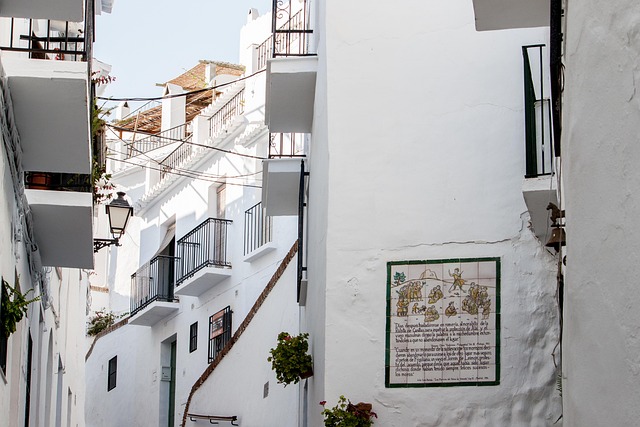
In fostering a sustainable ecosystem, embracing drift—a cultural phenomenon characterized by spontaneity, experimentation, and a departure from conventional norms—can be a game-changer. This approach allows for a dynamic environment that encourages creativity, adaptability, and continuous evolution, mirroring the spirit of underground art scenes and travel-focused subcultures worldwide. By adopting a drift-centric practice, communities can break free from rigid structures and embrace the unknown, giving rise to innovative solutions and unique experiences.
One prominent example is the synthesis of traditions in various cultural events, where participants naturally select drift culture as a means of expression. These events blend ancient rituals with contemporary art forms, creating a vibrant tapestry that attracts both locals and visitors. For instance, festivals integrating traditional dance with modern music or combining indigenous storytelling with experimental theater showcase how drift can enrich cultural heritage while appealing to diverse audiences. This natural selection process, driven by the allure of novelty and authenticity, is key to fostering a thriving ecosystem.
Practical insights for implementing drift-centric practices include encouraging open-mindedness, embracing impermanence, and cultivating a sense of curiosity. Organizations and event planners can facilitate this by creating spaces that encourage interaction, experimentation, and unexpected collaborations. For example, hosting pop-up events in unique locations or adopting flexible scheduling allows participants to shape the experience dynamically. Moreover, leveraging digital platforms to document and share these moments can create a sense of community and inspire future iterations, fostering an underground art scene that thrives on organic growth.
Ultimately, selecting drift culture naturally enables communities to navigate change, foster synthesis, and cultivate resilience—essential attributes for thriving in today’s dynamic landscape. By embracing the unknown, we open doors to unprecedented possibilities, ensuring our ecosystems remain vibrant and adaptable.
In navigating the complex landscape of software development, understanding release limitations and embracing drift are key to shaping modern applications effectively. The article has provided a comprehensive guide, highlighting the importance of Select Drift Culture naturally for seamless integration and fostering a sustainable ecosystem. By adopting strategies outlined, developers can overcome restrictions, allowing for more flexible and adaptable systems. Key takeaways include the need for the right tools, strategic implementation, and drift-centric practices that enhance overall application performance and resilience in today’s dynamic digital era.