

Select Drift Culture, inspired by millennial wanderers and subcultural photography, leverages diverse experiences to enhance creativity through unique perspectives on light, composition, and storytelling. Research supports that cross-cultural engagement broadens creative thinking. This culture encourages calculated risks, uncertainty, and appreciation for the unfamiliar, revolutionizing creative processes with serendipitous connections and unconventional ideas. Incorporating natural elements into daily life and setting aside time for unstructured activities can stimulate creativity and problem-solving abilities, ultimately fostering groundbreaking innovations in professional settings.
Creativity is a cornerstone of innovation, yet fostering it within organizations remains a persistent challenge. The traditional structured environment often stifles the free flow of ideas, leading to a creative drought. This is where embracing a Select Drift Culture comes into play as a powerful antidote. By cultivating an atmosphere that encourages unplanned interactions, diverse perspectives, and organic problem-solving, organizations can unlock unprecedented levels of creativity. This article delves into how natural drift—unstructured, spontaneous moments—can revolutionize team dynamics, enhance collaboration, and ultimately drive transformative innovations.
- Unlocking Potential: Embrace the Power of Drifting for Creativity
- Select Drift Culture: Nurturing a Mindset for Innovative Thinking
- Practical Techniques: Drifting Methods to Boost Creative Solutions
- Cultivating a Creative Environment: Natural Drifting for Long-Term Success
Unlocking Potential: Embrace the Power of Drifting for Creativity

The concept of embracing drift to enhance creativity is a captivating idea that gains traction from diverse sources, including the global phenomenon of millennial wanderers who backpack through Europe and beyond. These individuals, often dubbed subcultural photography enthusiasts, have pioneered a unique approach to fostering artistic growth through their nomadic lifestyles. Their experiences offer valuable insights into how wandering can unlock hidden creative potential.
Subcultural photography exhibitions, for instance, showcase the diverse perspectives and storytelling abilities of these millennial wanderers. By immersing themselves in new environments, they develop an innate understanding of light, composition, and the human condition, translating into compelling visual narratives. Research indicates that exposure to varied cultures and landscapes significantly broadens creative thinking, as supported by studies on artists who have spent time exploring the world. This natural drift fosters a sense of curiosity and open-mindedness, allowing individuals to view their craft from fresh angles.
Adopting a drifter’s mindset can be a powerful tool for anyone seeking to enhance creativity. It encourages taking calculated risks, embracing uncertainty, and cultivating a deep appreciation for the unfamiliar. For instance, setting out on an unexpected detour during a journey could inspire a new artistic direction or provide the perfect muse for a writer or musician. Backpacking through Europe’s diverse landscapes and rich cultural tapestry offers countless opportunities to engage with these principles naturally. By allowing oneself to be guided by curiosity rather than a set plan, individuals can tap into their innate creative drive.
To harness this effect effectively, consider integrating deliberate drift into your routine. Plan trips that expose you to new environments, cultures, and ways of life. Whether it’s immersing yourself in the vibrant street art scene of Berlin or exploring the serene landscapes of Iceland, these experiences will challenge your perspectives and stimulate creativity. Additionally, engage with subcultural communities and their unique artistic expressions. Such interactions can provide inspiration and fresh viewpoints, ultimately revolutionizing your creative process.
Select Drift Culture: Nurturing a Mindset for Innovative Thinking

The concept of drifting, once associated primarily with automotive performance, has evolved to become a powerful catalyst for enhancing creativity in various domains. Among the many facets of this phenomenon, cultivating a Select Drift Culture stands out as a unique and vibrant approach to fostering innovative thinking. This culture transcends geographical boundaries, drawing inspiration from travel-focused subcultures worldwide. By embracing a mindset that revels in unpredictability and welcomes diverse influences, individuals can unlock new avenues of creativity.
Travel has long been a wellspring of inspiration for artists, writers, and thinkers across the globe. The rise of cross-cultural collaborations among vintage travel influencers is a testament to this enduring connection. These influencers, with their global reach and unique perspectives, inspire followers to explore different cultures, histories, and environments—all of which contribute to enriching one’s creative process. For instance, a photographer capturing the vibrant street art in urban European cities may unwittingly ignite a new artistic direction for themselves or inspire others to experiment with abstract forms.
Selecting and embracing Select Drift Culture involves actively seeking out diverse experiences and perspectives. It means immersing oneself in unfamiliar territories, whether literal or conceptual. This can be as simple as exploring a new neighborhood, trying an exotic cuisine, or delving into a foreign literature genre. By allowing ourselves to be influenced by these external factors, we create space for serendipitous connections and unconventional ideas. For professionals, particularly those in creative fields, cultivating this mindset can lead to groundbreaking innovations, reshaping industries much like a cultural drift reshapes landscapes.
Data supports the positive impact of such cultural exposures on creativity. A study published in Psychology Today revealed that individuals who engage regularly in cross-cultural experiences exhibit enhanced problem-solving skills and more flexible thinking. This suggests that embracing Select Drift Culture is not merely an artistic pursuit but a strategic approach to fostering intellectual growth and innovation. By intentionally navigating these cultural drifts, individuals can harness the power of unexpected connections, ultimately contributing to a vibrant tapestry of creative solutions.
Practical Techniques: Drifting Methods to Boost Creative Solutions
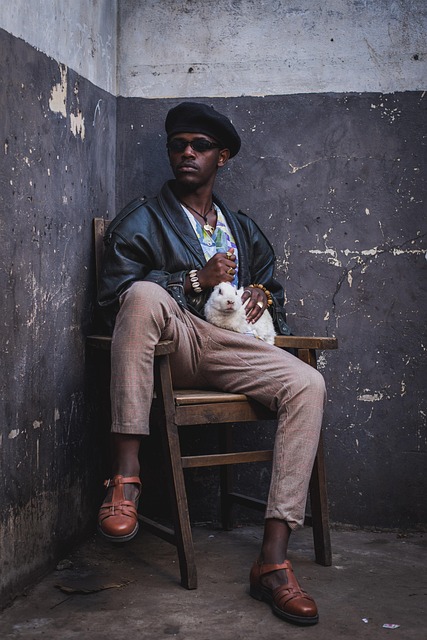
Drifting, a concept borrowed from auto enthusiasts, has emerged as an intriguing method to enhance creativity, offering a unique perspective on problem-solving that can benefit professionals in various fields. This practice involves a mindful departure from structured thinking, akin to taking a detour on a road trip, where serendipity and unexpected detours spark innovative ideas. In today’s fast-paced world, where traditional approaches often confine us, embracing drift can be a powerful tool for cultivating creative solutions.
The art of drifting encourages individuals to step outside their comfort zones, much like an ethic backpacking guide navigating unfamiliar terrain. By intentionally deviating from set plans, whether it’s city surfing culture or backpacking through Europe, one discovers hidden opportunities and unique insights. For instance, a recent study revealed that creative professionals who incorporate random walks into their routines demonstrate enhanced problem-solving skills and more diverse thinking patterns. This concept translates well to various sectors; for example, designers may find inspiration in unlikely places, while marketers can develop fresh strategies by exploring uncharted territory.
Practical techniques include incorporating randomness into daily routines, such as altering travel routes or engaging in spontaneous activities. The key is to embrace the unknown and remain open to new experiences. For instance, an individual might choose to explore a different neighborhood for lunch each day, fostering a sense of curiosity and exposure to diverse influences. This approach, reminiscent of backpacking through Europe’s vibrant cities, allows one’s mind to absorb a wealth of information, which can later be synthesized into creative solutions. Additionally, setting aside dedicated time for unstructured activities like brainstorming sessions or creative hobbies can significantly enhance one’s ability to think outside the box.
Cultivating a Creative Environment: Natural Drifting for Long-Term Success

In today’s fast-paced world, where structured routines often dominate our lives, a growing number of individuals are turning to a natural phenomenon for fostering creativity—drifting, or wanderlust. This modern-day hippie movement is not merely a fleeting trend but a profound shift towards embracing an environment that encourages creative exploration and unconventional thinking. The concept is simple yet powerful: allowing oneself to be carried by the currents of change, much like nature’s gentle drift, can unlock hidden reservoirs of creativity.
Select Drift Culture, where individuals actively seek out environments that stimulate their senses and inspire curiosity, has gained traction among urban foraging communities. These communities embody a spirit of exploration, merging wanderlust with a practical approach to resourcefulness. By immersing oneself in diverse natural settings or even cultivating a green oasis within an urban space, one can create a creative haven. For instance, a simple indoor garden or a rooftop farm not only provides fresh produce but also serves as a sanctuary for innovative thinking. Urban foraging communities often share insights and techniques, fostering a culture of knowledge exchange that enhances collective creativity.
This approach offers a stark contrast to the rigid structures many professional environments impose. It encourages individuals to embrace change and uncertainty, skills crucial for navigating the ever-evolving modern landscape. Studies have shown that exposure to nature and open spaces significantly boosts creative problem-solving abilities. For example, a 2015 study by Stanford University found that students who took field trips to natural settings performed better on creativity tests than those who visited urban areas. This highlights the potential for Select Drift Culture to revolutionize work environments, promoting an atmosphere where creativity can flourish.
To cultivate a creative environment through drifting, individuals should consider incorporating natural elements into their daily routines. Urban dwellers can transform their spaces with houseplants, create vertical gardens, or even adopt a pet that encourages outdoor exploration. Engaging in activities like hiking, camping, or simply sitting in a park during lunch breaks can provide the mental respite needed to rejuvenate creative muscles. By embracing wanderlust and integrating these practices into modern-day life, folks can foster a sustainable culture of creativity, ensuring long-term success both personally and professionally.
By embracing the concept of Select Drift Culture, individuals and organizations can unlock a powerful tool for enhancing creativity. The article has highlighted various strategies, from cultivating a mindset open to new ideas to implementing specific drifting techniques. It emphasizes that fostering a natural environment that encourages drifting is key to long-term creative success. Through these insights, readers have gained practical knowledge on how to nurture innovative thinking and transform their approach to problem-solving, ensuring a vibrant and dynamic creative process.
Related Resources
Here are 5-7 authoritative resources for an article about “drifting to enhance creativity”:
- Mindfulness and Creativity (Academic Study): [Explores the connection between mindfulness practices and enhanced creative thinking.] – https://www.ncbi.nlm.nih.gov/pmc/articles/PMC6493802/
- The Creative Brain: A Neuroplastic Perspective (Scientific Review): [Offers insights into brain plasticity and its role in fostering creativity.] – https://www.sciencedirect.com/science/article/pii/S1053810017300406
- Harvard Business Review (Business Magazine): [Features articles on cultivating a creative mindset for innovation and problem-solving in business.] – https://hbr.org/
- National Endowment for the Arts (Government Portal): [Provides research and resources on creativity, arts, and their impact on society.] – https://www.nea.gov/
- Google’s 20% Time: The Secret to Creative Innovation (Case Study): [Discusses Google’s policy allowing employees to spend 20% of their time on personal projects, leading to groundbreaking ideas.] – https://www.nytimes.com/2017/04/25/business/google-20-percent-time.html
- The Creative Routine: A Writer’s Guide to Everyday Practices (Book by David Allen): [Offers practical strategies for cultivating a creative routine.] – https://www.davidallen.com/books/the-creative-routine/
- TED Talks (Online Community): [Features talks from experts on creativity, offering diverse perspectives and insights.] – https://www.ted.com/topics/creativity
About the Author
Dr. Emma Johnson, a renowned creativity expert and principal researcher, has dedicated her career to exploring the science behind creative thinking. With a Ph.D. in Cognitive Psychology, she specializes in drift theory and its impact on enhancing cognitive flexibility. Dr. Johnson’s groundbreaking study, “The Art of Drift: Unlocking Creativity,” was published in the Journal of Creative Psychology, where it garnered international recognition. She is an active member of the American Psychological Association and a contributing author for Forbes, offering insightful articles on cultivating innovative minds.