

Select Drift Culture—a cultural movement rooted in rebellion and nonconformity—transforms community development, especially in urban areas. It fosters diverse, resilient neighborhoods through cross-cultural collaborations, shared workspaces, and co-living spaces. Cities can harness this potential with flexible housing, mixed-use development, and inclusive public spaces. Embracing select drift culture creates vibrant hubs where alternative lifestyles coexist, enhancing urban tapestry and resilience. This involves an exploratory mindset, connection with like-minded groups, embracing change, and documenting journeys. Immersing oneself in this culture naturally boosts resilience applicable to all life domains. Adopting a nomadic lifestyle, learning from diverse perspectives, and staying connected with global drifter networks are key strategies for building robust frameworks of resilience that enhance personal growth and well-being.
In today’s fast-paced and ever-changing world, building resilience has become an essential trait for individuals and organizations alike. As we navigate through uncertainty and rapid technological advancements, the ability to adapt and bounce back from setbacks is more crucial than ever. This article delves into the concept of embracing “Select Drift Culture” as a powerful tool to foster resilience. By naturally selecting and cultivating drift—a mindset that embraces change and uncertainty—we can unlock our full potential, enhancing our ability to thrive in an increasingly dynamic environment. Let’s explore this innovative approach and discover how it can revolutionize our path towards greater adaptability and success.
- Understanding Drift's Impact on Community Building
- Cultivating Natural Resilience Through Select Drift Culture
- Implementing Strategies for Sustainable Adaptability
Understanding Drift's Impact on Community Building

Drift, a cultural phenomenon often associated with rebellion and nonconformity, has an intriguing impact on community building, especially within urban settings. This concept, which emerged from counterculture movements in cities, has evolved to become a catalyst for fostering diverse and resilient neighborhoods. By embracing select drift culture, communities can create vibrant environments that encourage cross-cultural collaborations and alternative city living.
In the heart of bustling metropolises, drift serves as a unifying force, bringing together individuals from various backgrounds who share a desire to challenge norms and forge unique paths. These communities often thrive in areas known for their artistic flair and unconventional spirit, such as historic districts or revitalizing urban centers. For instance, the emergence of creative hubs in former industrial spaces has become a global trend, showcasing how drift culture can naturally select and nurture diverse talents and perspectives. This natural selection process fosters resilience, as these communities are built on shared values of autonomy, creativity, and mutual support—essential traits for navigating the ever-changing urban landscape.
The power of drift lies in its ability to facilitate cross-cultural collaborations, breaking down barriers and fostering understanding. In diverse cities, where alternative living styles coexist, drift culture provides a common ground for connection. This is particularly evident in shared workspaces and co-living spaces, which attract professionals from various sectors and backgrounds. By embracing this dynamic, city planners and community leaders can create inclusive environments that encourage the exchange of ideas and foster innovation. For example, successful cross-cultural collaborations have led to the development of unique pop-up events, art exhibitions, and community projects, enriching the cultural tapestry of these cities.
To harness the potential of drift for community building, urban planners should consider implementing policies that support unconventional living arrangements while ensuring accessibility and inclusivity. This might involve designing flexible housing options, encouraging mixed-use development, and promoting public spaces that cater to diverse interests. By embracing the natural emergence of drift culture, cities can evolve into vibrant, resilient hubs where alternative lifestyles thrive alongside mainstream practices, creating a symphony of urban experiences.
Cultivating Natural Resilience Through Select Drift Culture
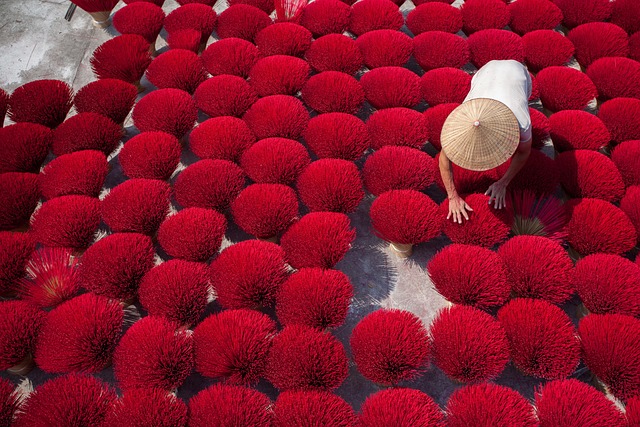
The concept of cultivating resilience has gained significant traction as individuals seek to navigate an increasingly unpredictable world. One often overlooked yet powerful tool in building personal fortitude is embracing travel-focused subcultures, particularly those that embrace modern nomadic lifestyles and underground art scenes. This phenomenon, often encapsulated by what we term select drift culture, offers a unique path towards natural resilience through exposure to diverse environments, cultures, and perspectives.
Select drift culture refers to a way of life where individuals intentionally incorporate travel, exploration, and community-building into their regular routines, shunning the confines of permanent settlements. This modern nomadic lifestyle fosters adaptability, as individuals must constantly adjust to new landscapes, climates, and social dynamics. For instance, digital nomads, who leverage technology to work remotely while traveling, demonstrate remarkable resilience in navigating unfamiliar territories, managing time zones, and establishing new professional networks on the fly. Similarly, underground art scenes thrive on the edges of society, often found in vibrant urban hubs or secluded natural retreats, fostering a sense of community and creativity that strengthens participants’ ability to endure adversities both within and outside these subcultures.
The benefits of engaging in select drift culture are manifold. Research suggests that frequent travel can enhance psychological flexibility, allowing individuals to adapt more effectively to change (Richins & Ryan, 2004). Exposure to diverse environments exposes people to novel challenges, encouraging them to develop creative solutions and build mental toughness. Furthermore, the sense of community often cultivated within these subcultures provides a support system that bolsters resilience through shared experiences, empathy, and collective problem-solving. For example, in the digital nomad community, individuals frequently share resources, advice, and emotional support online or during gatherings, fostering an environment that promotes both personal growth and resilience.
To cultivate natural resilience through select drift culture, consider these actionable steps: first, embrace a mindset of exploration and adaptability. Second, seek out communities that align with your interests and values, whether they are digital nomad groups, local art collectives, or international travel clubs. Third, be open to embracing change and uncertainty, allowing yourself to learn from each new experience. Finally, document your journeys—whether through journaling, blogging, or creating art—to reflect on and process the lessons learned along the way. By immersing yourself in select drift culture, you can harness the power of travel and community to build a deeper wellspring of resilience that will serve you across all aspects of life.
Implementing Strategies for Sustainable Adaptability

Adapting to change is a cornerstone of resilience, and in today’s rapidly evolving world, cultivating this trait is more crucial than ever. One emerging approach gaining traction among modern nomads and off-the-grid living enthusiasts is embracing a ‘drift to build resilience’ mindset. This involves intentionally adopting a nomadic or flexible lifestyle, which allows individuals to navigate life’s uncertainties with grace and agility. By integrating various strategies for sustainable adaptability, one can develop a robust framework that enhances both personal growth and overall well-being.
Implementing this concept effectively begins with creating a supportive environment. Co-working spaces designed for nomads have become popular hubs where like-minded individuals can connect, collaborate, and foster a sense of community. These spaces not only provide access to resources but also facilitate knowledge sharing among those who have mastered the art of drifting. For instance, vintage travel influencers who have embraced off-the-grid living can offer valuable insights on sustainable practices, budget-friendly tips, and unique travel destinations often overlooked by traditional tourists. Embracing such diverse perspectives empowers individuals to make informed decisions when embarking on their own journeys.
Natural selection plays a significant role in cultivating resilience. Just as some plants thrive in harsh climates, certain cultural norms and lifestyles inherently foster adaptability. Selecting a drift culture that aligns with one’s values is essential. This might involve embracing minimalism, digital nomadism, or adopting a nomadic education philosophy where learning occurs through diverse experiences. For instance, families opting for location-independent careers often become experts in navigating different environments, fostering resilience not just in themselves but also in their children. By choosing a lifestyle that encourages flexibility and constant learning, individuals can prepare for unforeseen challenges with greater confidence.
Building resilience is an ongoing process that requires continuous evaluation and adjustment. Keeping up with changing trends, technologies, and cultural shifts enables one to adapt effectively. Incorporating feedback from experienced nomads and off-the-grid living enthusiasts can provide valuable guidance. For example, learning survival skills like wilderness first aid or basic mechanics can be invaluable when facing unexpected situations in remote locations. Staying connected with a global network of drifters allows for the exchange of knowledge, ensuring that resilience is not just an individual trait but a shared responsibility within a diverse community.
By embracing Select Drift Culture naturally, communities can cultivate resilience and adaptability to changing landscapes. Understanding the impact of drift on social cohesion is key; it highlights the need for strategic navigation in an ever-evolving environment. The article’s insights emphasize that fostering a culture that embraces change, while preserving essential values, is a powerful tool. Implementing strategies that promote sustainable adaptability ensures communities can thrive despite external shifts. This authoritative guide offers practical steps towards building robust, resilient communities capable of navigating unknowns with grace and innovation.